
Muffaletta olive spread recipe
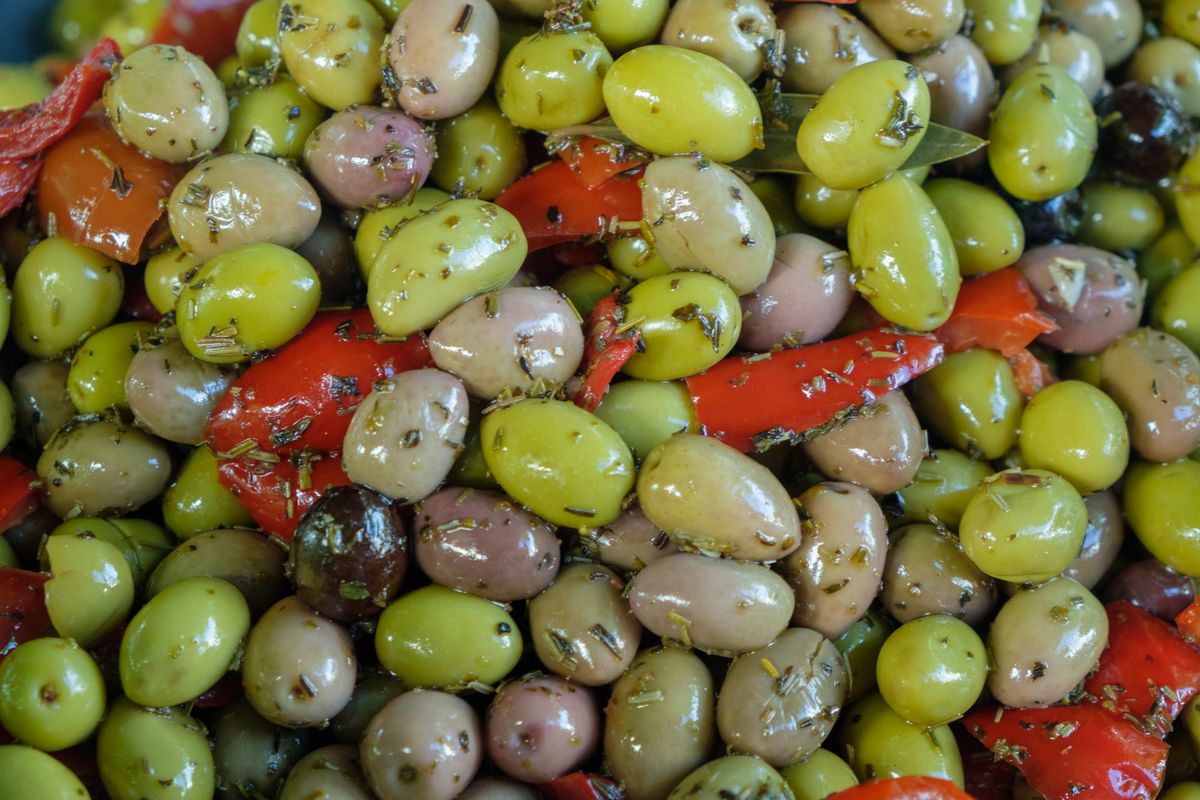
The muffaletta lives or dies by its olive spread. The cold cuts and cheese on a New Orleans muffaletta are honestly interchangeable — this briny, oily, crunchy olive salad is the part nobody is allowed to change.
A proper spread is not a tapenade. It is chopped, not puréed: you should see distinct bits of green olive, orange carrot from the giardiniera, and pale celery in every spoonful, all of it glossed with olive oil.
The celery matters more than people think: olives, capers, and pickled vegetables are all soft or briny, and the celery is the one fresh crunch keeping a rich sandwich from tasting heavy.
One more non-negotiable: time. This spread is mixed in 15 minutes, but it only becomes itself after a night in the fridge, when the garlic mellows, the oil turns garlicky-orange, and the flavors stop being separate ingredients.
Make the full batch. It keeps for 2 weeks and improves for most of them, so a jar in the fridge is a sandwich upgrade waiting to happen.
Why You’ll Love This Recipe
The olive mix is deliberate: mild, buttery Castelvetranos for body, pimento-stuffed Manzanillas for the classic muffaletta tang, and a smaller hit of Kalamatas for depth. One-note olive jars cannot do this.
It is built for texture. Hand-chopping — or five careful pulses — leaves the spread chunky and scoopable, never a paste that disappears into the bread.
The giardiniera does double duty. It brings pickled carrot, cauliflower, and pepper crunch plus its own vinegar seasoning, so the spread tastes marinated from the first hour instead of the second day.
It is a genuine make-ahead recipe. Unlike most things that merely tolerate the fridge, this spread is noticeably better on day two and peaks around day three.
It earns its keep beyond sandwiches, too: spoon it over grilled fish, stir it into potato salad, or pile it on crostini with whipped ricotta.
Ingredients
Makes about 3 cups — enough for 4 large muffaletta sandwiches with leftovers:
- 1 cup Castelvetrano green olives, pitted
- 1 cup pimento-stuffed Manzanilla olives
- ½ cup Kalamata olives, pitted
- 1 cup Italian giardiniera, drained (reserve 1 tablespoon of its brine)
- ¼ cup roasted red peppers, chopped
- 2 tablespoons capers, drained
- 1 celery stalk, finely diced
- ¼ small red onion, finely diced
- 2 garlic cloves, minced
- ½ cup extra-virgin olive oil
- 1 tablespoon red wine vinegar
- 1 teaspoon dried oregano
- ¼ cup fresh parsley, finely chopped
- ½ teaspoon crushed red pepper flakes
- ¼ teaspoon black pepper
How to Make It
- Drain everything well: Put the olives, giardiniera, roasted peppers, and capers in a colander for a full 5 minutes. Watery jars make a watery spread, and the oil will refuse to cling.
- Chop the olives coarse: Tip the olives onto a board and chop them into rough pea-sized pieces with a chef’s knife. If you use a food processor, pulse exactly 4 to 5 times and stop — one pulse too many and you have baby food.
- Chop the pickled vegetables: Chop the giardiniera and roasted red peppers to the same rough size as the olives so no single ingredient dominates a bite.
- Combine in a glass bowl: Add the olives, giardiniera, peppers, capers, celery, red onion, and garlic to a glass or ceramic bowl. Glass matters: this spread lives in oil and vinegar, and it will pick up flavors from plastic.
- Dress it: Pour over the olive oil, red wine vinegar, and the reserved tablespoon of giardiniera brine. Sprinkle in the oregano, red pepper flakes, and black pepper.
- Fold in the parsley: Stir everything together with a spoon until every piece is coated in oil, then fold in the parsley last so it stays bright.
- Rest it: Cover and refrigerate for at least 12 hours, ideally 24. Stir it once halfway through if you remember.
- Temper before serving: Pull the jar out 30 minutes before you build sandwiches. Cold olive oil congeals and mutes the flavor; at room temperature the spread turns loose, glossy, and aromatic again.
Cooking Tips / Variations
Salt with your eyes open: olives, capers, and giardiniera arrive pre-salted by their brines, so this recipe adds none at mixing time. Taste on day two and only then decide — it almost never needs any.
The oil is an ingredient, not just a medium. After a few days, the leftover oil in the jar is intensely flavored — drizzle it over the cut side of your sandwich bread before spreading. That is the real Central Grocery move, and it keeps the bread from going soggy.
Too sharp? A pinch of sugar (⅛ teaspoon) rounds the vinegar without making the spread sweet. Too mellow? A second teaspoon of red wine vinegar or a splash more giardiniera brine wakes it up.
For a spread that travels beyond sandwiches, chop a batch finer and warm it gently for 3 minutes — it becomes an instant sauce for grilled chicken or baked fish. Keep a chunky jar for sandwiches and a fine one for everything else, the way a jar of our best caesar dressing covers both salads and wraps.
Heat blooms in oil over the days, so add extra red pepper flakes at serving time, not at mixing — a mild jar can turn fiery by the weekend.
Serving or Storage Tips
For the classic sandwich, spread ½ to ¾ cup generously over the bottom half of a round Italian loaf, then layer mortadella, Genoa salami, ham, provolone, and mozzarella. The oil should visibly soak into the top half of the bread before you close it.
Leftover spread turns an ordinary homemade burger into something memorable — spoon 2 tablespoons over the patty instead of pickles. It plays the same briny role inside a wrap, too, if you drain it well first, much like the filling in our meximelt.
Store it in a glass jar with the surface covered by a thin layer of olive oil and it keeps 2 weeks in the refrigerator. Always use a clean spoon — the jar lives a long time, and one crumb-laden knife can shorten its life.
Do not freeze it. The celery loses its crunch completely and the olives turn leathery. This is a fridge condiment, end of story.
Conclusion
A muffaletta olive spread is three things done right: a deliberate mix of olives, a coarse chop that respects texture, and an overnight rest that nobody is allowed to skip.
Make it once, properly, and sandwich night permanently changes — that jar turns plain bread and cold cuts into a New Orleans classic.
Day three is the sweet spot. Plan your sandwiches accordingly.
Muffaletta Olive Spread (New Orleans Olive Salad)
Ingredients
Method
- Drain the olives, giardiniera, peppers and capers in a colander for 5 minutes.
- Chop the olives into rough pea-sized pieces by hand, or pulse 4 to 5 times in a food processor.
- Chop the giardiniera and roasted peppers to the same coarse size.
- Combine everything in a glass bowl with the celery, red onion and garlic.
- Add the olive oil, vinegar, reserved giardiniera brine, oregano, red pepper flakes and black pepper; stir to coat.
- Fold in the parsley, cover and refrigerate at least 12 hours, ideally 24.
- Bring to room temperature for 30 minutes and stir before serving.
Notes
No salt is added on purpose: the brines season it. Taste on day two before adding any.
Keeps 2 weeks refrigerated in a glass jar with a thin layer of olive oil over the top; do not freeze.
Drizzle the jar’s flavored oil onto the sandwich bread before spreading.
One Comment