
Tender steak recipe
Tender steak is decided long before the pan gets hot. The cut you choose, when the salt goes on, and where the thermometer stops matter more than any fancy technique at the stove.
This recipe is built around three levers you control: a 24-hour dry brine that seasons the meat all the way through and dries the surface for a deep crust, a simple soy-based marinade for leaner cuts that need help, and a pull-temperature chart that replaces guesswork with numbers.
The cooking itself uses the frequent-flip method — the steak turns every 60 seconds — which cooks it evenly, builds crust on both sides, and finishes faster than the set-it-and-wait approach.
Any cut works with this system: ribeye, strip, sirloin, flank, even a thick filet. What changes is which lever you lean on, and this guide spells that out cut by cut.
If you ever cook the ultimate premium cut, our wagyu beef recipe treats it the way it deserves. This page is for every other steak night — which is most of them.
Why You’ll Love This Recipe
The dry brine is the difference between steak that is salted and steak that is seasoned. Twenty-four hours uncovered in the fridge lets the salt dissolve, travel into the meat, and come back out with moisture it then reabsorbs — flavor to the center, not just on the crust.
Frequent flipping ends the gray band. Turning the steak every minute cooks both sides evenly, so the pink runs edge to edge instead of hiding in a thin strip between two layers of overdone meat.
The lean-cut marinade rescues budget steaks. Flank and top sirloin come off the pan tender and deeply flavored when they get their 2 hours in soy, Worcestershire, and garlic.
Pepper goes on after the sear, not before — a small change that keeps the pepper’s bite aromatic instead of burnt and bitter. Once you taste the difference, you will not go back.
Ingredients
For 2 steaks, about 1¼ to 1½ inches thick (ribeye or New York strip is the forgiving first choice):
- 2 steaks, 10 to 12 ounces each, 1¼ to 1½ inches thick
- 2 teaspoons Diamond Crystal kosher salt (about 1 teaspoon per pound) — use 1½ teaspoons total if using Morton’s, which is denser
- 1 tablespoon avocado oil (high smoke point)
- 1 teaspoon coarse black pepper, for after searing
- Flaky sea salt, for finishing the slices
Optional Marinade (for lean cuts — flank, top sirloin, flat iron):
- ¼ cup soy sauce
- 2 tablespoons olive oil
- 1 tablespoon Worcestershire sauce
- 2 garlic cloves, grated
- 1 teaspoon brown sugar
- ½ teaspoon black pepper
How to Make It
- Choose the cut by the job: Ribeye is the most forgiving — heavy marbling forgives an extra minute in the pan. Strip is beefier with a firm bite. Filet is the most tender but leanest, so cook it no past medium-rare. Flank, flat iron, and top sirloin are the marinade cuts; they need slicing to shine.
- Dry brine (the default path): Salt the steaks on all sides with the kosher salt. Set them on a wire rack over a tray and refrigerate, uncovered, for 24 hours — 45 minutes is the bare minimum, 48 hours the maximum. The surface should look dry and feel tacky.
- Or marinate (lean cuts only): Whisk the marinade ingredients, coat the steak in a zip-top bag, and refrigerate 2 to 8 hours. Well-marbled ribeyes skip this entirely — they do not need it and the soy dulls their crust.
- Temper and dry: Take the steak out of the fridge 45 minutes before cooking. Pat every surface completely dry with paper towels. Surface moisture is the enemy of crust; the dry brine already helped, and the towels finish the job.
- Sear with the flip method: Heat a cast iron skillet until it just begins to smoke, add the avocado oil, and lay the steaks in. Flip every 60 seconds. A 1½-inch steak reaches medium-rare in about 7 to 8 minutes total. Hold each steak on its fat cap with tongs for 30 seconds to render it crisp.
- Pull by temperature, not by clock: Rare: pull at 115–120°F (serves at 120–125°F). Medium-rare: pull at 125–130°F (serves at 130–135°F). Medium: pull at 135–140°F (serves at 140–145°F). Medium-well: pull at 145–150°F (serves at 150–155°F). Carryover heat during the rest adds the difference.
- Pepper, then rest: Grind the coarse black pepper over both sides now, while the crust is hot and the pepper can bloom without burning. Rest the steaks on a warm rack — not a cold plate, which steams the crust — loosely tented, for a full 10 minutes.
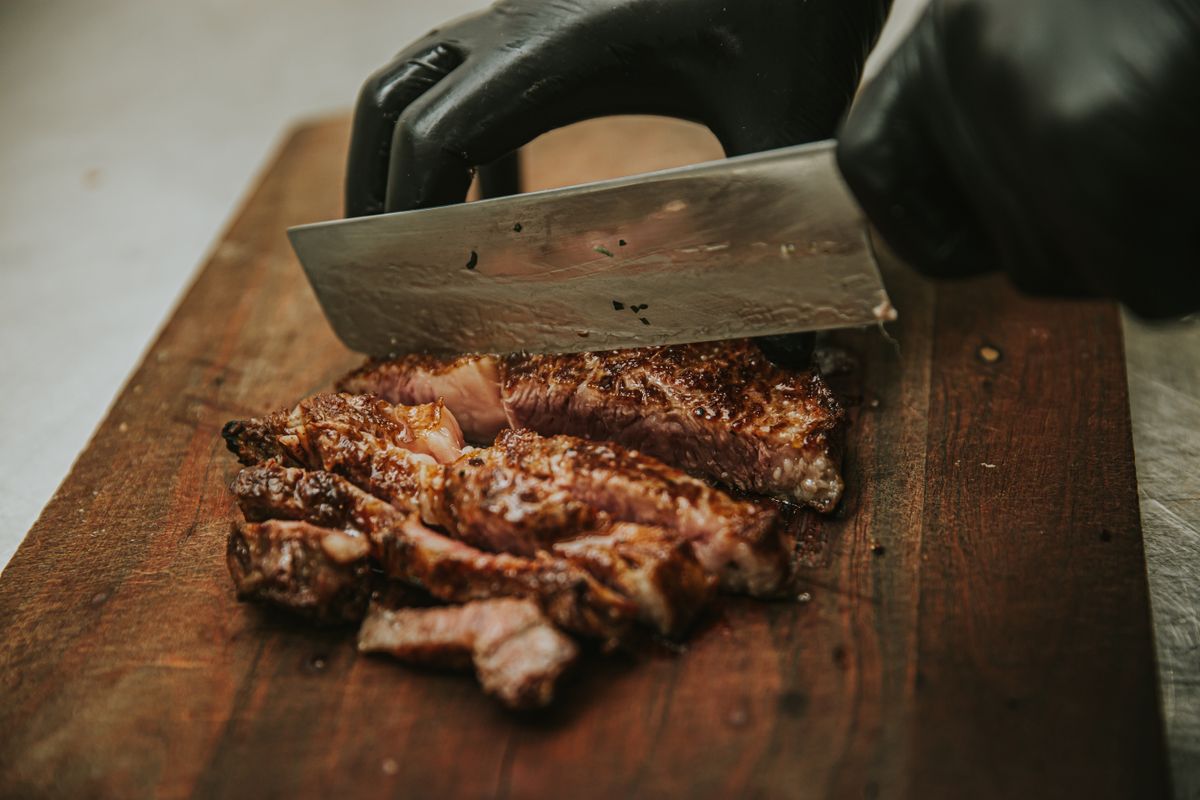
- Slice against the grain: Find the direction the muscle fibers run and cut across them, never along them, in ½-inch slices. On flank and strip this one step is worth more tenderness than any marinade. Fan the slices, finish with flaky salt, and serve.
Cooking Tips / Variations
Salt brand is not a detail — it is a measurement. Diamond Crystal flakes are lighter, so a teaspoon holds less salt than a teaspoon of denser Morton kosher. The recipe gives both amounts; swapping them 1-for-1 is how steaks come out over- or under-salted.
Respect the acid rule in marinades. This one uses soy and Worcestershire rather than citrus, so it is safe up to 8 hours. If you swap in lime or lemon juice, cap the soak at 2 hours — beyond that, acid turns the surface mushy and chalky instead of tender.
Thickness beats price. A 1½-inch grocery-store strip cooked to a true 130°F eats better than a thin, expensive ribeye cooked past its prime. If the case only has thin steaks, cut the total flip time to 4 to 5 minutes.
Serving or Storage Tips
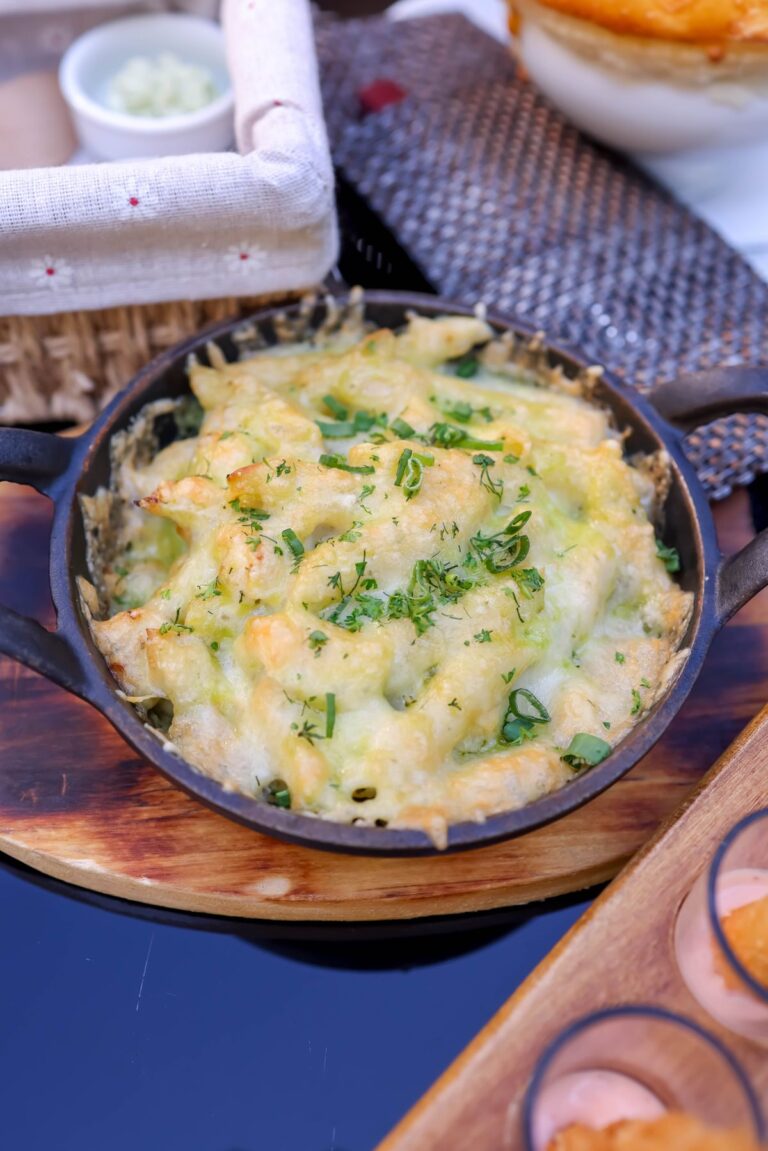
Steakhouse sides suit this steak: something creamy and something sharp. Our mac and cheese, soul food style covers the creamy half of the plate better than any steakhouse version we have made.
Slice only what you will eat. Unsliced steak keeps its juices; once sliced, the meat starts drying within the hour. Leftovers are better planned than accidental.
Leftover steak keeps 3 days refrigerated. Reheat slices gently in a covered skillet over low heat with a spoonful of water for 2 minutes — or slice them cold over salad, or dice them into a breakfast hash. A blazing-hot reheat just cooks the steak a second time.
Conclusion
Tender steak is a sequence, not a secret: pick the right cut, salt it a day ahead (or marinate the lean ones), flip it every minute, pull it by temperature, rest it fully, and slice across the grain.
None of those steps is hard — but together they are the difference between a steak you chew through and a steak you remember. Run the sequence once and it becomes habit.
Tender Steak (Dry-Brined, Frequent-Flip Method)
Ingredients
Method
- Choose the cut: marbled ribeye or strip for the dry brine; flank, flat iron or sirloin for the marinade.
- Dry brine: salt all sides, set on a rack over a tray, refrigerate uncovered 24 hours (45 minutes minimum, 48 hours maximum). Or marinate lean cuts 2 to 8 hours in the whisked marinade.
- Temper the steak at room temperature for 45 minutes, then pat completely dry.
- Heat a cast iron skillet until just smoking; add the avocado oil and the steaks.
- Flip every 60 seconds until the pull temperature is reached: 115–120°F rare, 125–130°F medium-rare, 135–140°F medium, 145–150°F medium-well. Render the fat cap with tongs for 30 seconds.
- Pepper both sides, then rest on a warm rack, loosely tented, for 10 minutes.
- Slice ½-inch thick against the grain, fan the slices and finish with flaky sea salt.

One Comment