
Rye Bread Recipe for Bread Machine (Deli-Style Loaf)
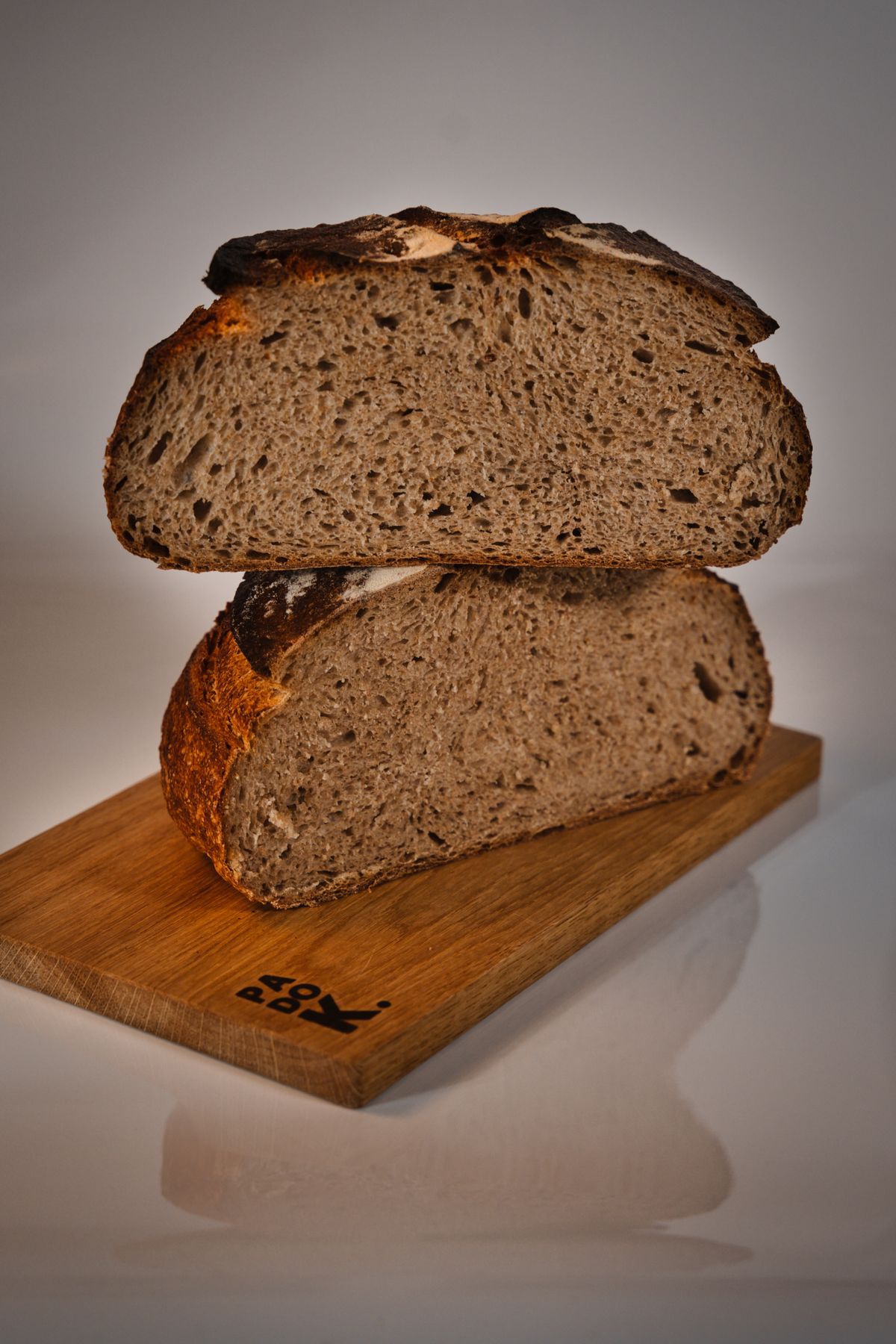
There is a particular pleasure in pulling a dark, fragrant rye loaf out of a bread machine pan: the kitchen smells like a good deli, and the machine did every bit of the kneading for you.
This loaf is built for sandwiches. The crumb stays soft and close-textured, the crust chewy rather than crunchy, and the flavor is that classic pairing of earthy rye, warm caraway, and a whisper of molasses sweetness.
Rye flour behaves differently from wheat flour — it is low in gluten, sticky to handle, and heavy to lift. That is exactly why the bread machine suits it so well. A measured dose of vital wheat gluten does the structural work, while the machine’s steady knead and warm rise handle the rest.
Measure, load the pan in the right order, and by dinner you will be slicing deli rye for Reubens, pastrami sandwiches, or thick toast under soft scrambled eggs.
Why You’ll Love This Recipe
The machine truly does the work: no hand-kneading a sticky dough, no juggling rise times, no heating the oven. From loading the pan to a finished loaf is about three hours, nearly all of it hands-off.
The flavor is the real deli formula, not a wheat loaf wearing a brown disguise. Molasses adds depth and color, caraway seeds give the unmistakable rye-bread aroma, and a small amount of rye flour goes a long way.
It is sized for real life: a 1½-pound loaf that fits a standard machine pan, feeds a family for two days of lunches, and freezes slice by slice for toast on demand.
Ingredients
The order below is the order they go into the pan — liquids first, flour as a blanket, yeast last in a shallow well so it stays dry until the cycle starts:
- 1¼ cups warm water (about 110°F / 43°C — warm to the wrist, not hot)
- 2 tablespoons molasses
- 2 tablespoons vegetable oil, or melted unsalted butter
- 1½ cups (187 g) bread flour
- 1½ cups (153 g) medium rye flour
- 2 tablespoons vital wheat gluten
- 1 tablespoon caraway seeds
- 1½ teaspoons fine salt
- 2 teaspoons instant yeast (bread machine yeast)
How to Make It
- Load the liquids: Pour the warm water, molasses, and oil into the bread machine pan. If your machine’s manual asks for ingredients in the opposite order, follow the manual — the pan order matters more than pride.
- Add the dry ingredients: Spoon the bread flour and rye flour over the liquid until it is fully covered. Sprinkle the vital wheat gluten, caraway seeds, and salt on top, keeping the salt in one corner.
- Add the yeast: Make a shallow well in the center of the flour with your fingertip and pour in the yeast. It should sit dry, not touching the water or the salt.
- Set the machine: Lock in the pan and choose the Basic (or White) cycle, 1½-pound loaf size, Medium crust color. On most machines the full cycle runs about 3 hours to 3 hours 10 minutes. Press start.
- Check the dough ball: Peek in after 5 to 10 minutes of kneading. You want one smooth, slightly tacky ball that cleans the pan walls. If it looks shaggy and dry, add water 1 tablespoon at a time; if it is slack and soupy, add bread flour 1 tablespoon at a time. This single check fixes almost every rye loaf.
- Hands off until the beep: Resist opening the lid during the rises — each peek dumps the warm air the low-gluten dough needs. If you like a bakery finish, you can remove the paddle and slash the top just before the bake phase, but it is purely cosmetic.
- Remove it promptly: The moment the cycle ends, take the pan out with oven mitts, tip the loaf onto a wire rack, and nudge the paddle free if it stayed in the loaf. Leaving the bread sitting in a hot pan steams the crust soggy.
- Cool before slicing: Wait a full hour. Rye crumb is still setting as it cools, and slicing early gives you gummy layers no matter how good the bake was. Slice with a serrated knife in a gentle sawing motion.
Cooking Tips / Variations
Vital wheat gluten is the non-negotiable here. Rye flour alone cannot build the elastic network that traps gas, so without those 2 tablespoons you get a dense, low brick. It sits in the baking aisle near the specialty flours, and one bag lasts through many loaves.
No bread machine? Mix the dough by hand or stand mixer, knead 8 to 10 minutes (it stays a little sticky — that is normal), rise in a greased bowl for 1 hour, shape into a greased 9×5-inch loaf pan, rise again 35 to 45 minutes until puffy, then bake at 350°F (175°C) for 30 to 35 minutes, until the center reads 200°F (93°C) on an instant-read thermometer.
For a darker, almost pumpernickel crumb, swap 1 tablespoon of the molasses for 1 tablespoon of unsweetened cocoa powder. It deepens the color and adds a faint bitterness without making the bread taste like chocolate.
Caraway is traditional, but not mandatory. If your household objects to the seeds, leave them out and add 1 teaspoon of Dijon mustard to the liquids instead — you keep the deli character without the seed texture. Yeast dough projects like this one and our Pillsbury pizza dough recipe reward the same habit: measure carefully and let the rise do the work.
Serving or Storage Tips
This is a sandwich loaf first: Reubens with sauerkraut and Swiss, pastrami with sharp mustard, or a simple smoked turkey and cheddar all suit the caraway crumb. Day-old slices also make outstanding toast for soft eggs — the edges crisp while the center stays chewy.
For longer keeping, slice the whole loaf, slip parchment between the slices, and freeze in a zip-top bag for up to 3 months. Toast slices straight from frozen; they come back with the crust almost fully restored.
If a baking weekend is taking shape, pair this savory loaf with something sweet on the counter — our snickerdoodle banana bread covers the cinnamon-sugar end of the day while the rye handles lunch.
Conclusion
A good rye loaf used to mean a trip to a deli bakery. With a bread machine, a bag of rye flour, and one honest dough-ball check, it becomes a Tuesday routine.
Load the pan tonight and walk in from work to that caraway-and-molasses smell. Some recipes earn their place by being impressive; this one earns it by being sliced, toasted, and gone by Thursday.
Rye Bread for Bread Machine
Ingredients
Method
- Add the water, molasses and oil to the bread machine pan (or follow your manual’s ingredient order).
- Cover the liquid with both flours, then sprinkle on the vital wheat gluten, caraway seeds and salt.
- Make a shallow well in the flour and add the yeast, keeping it dry.
- Run the Basic/White cycle, 1½-pound loaf, Medium crust.
- After 5–10 minutes of kneading, check for one smooth, tacky dough ball; adjust with water or flour 1 tablespoon at a time.
- When the cycle ends, remove the loaf to a wire rack immediately and free the paddle if needed.
- Cool 1 full hour before slicing with a serrated knife.
One Comment