
Cactus Recipe: Grilled Nopales (Easy Nopalitos Guide)
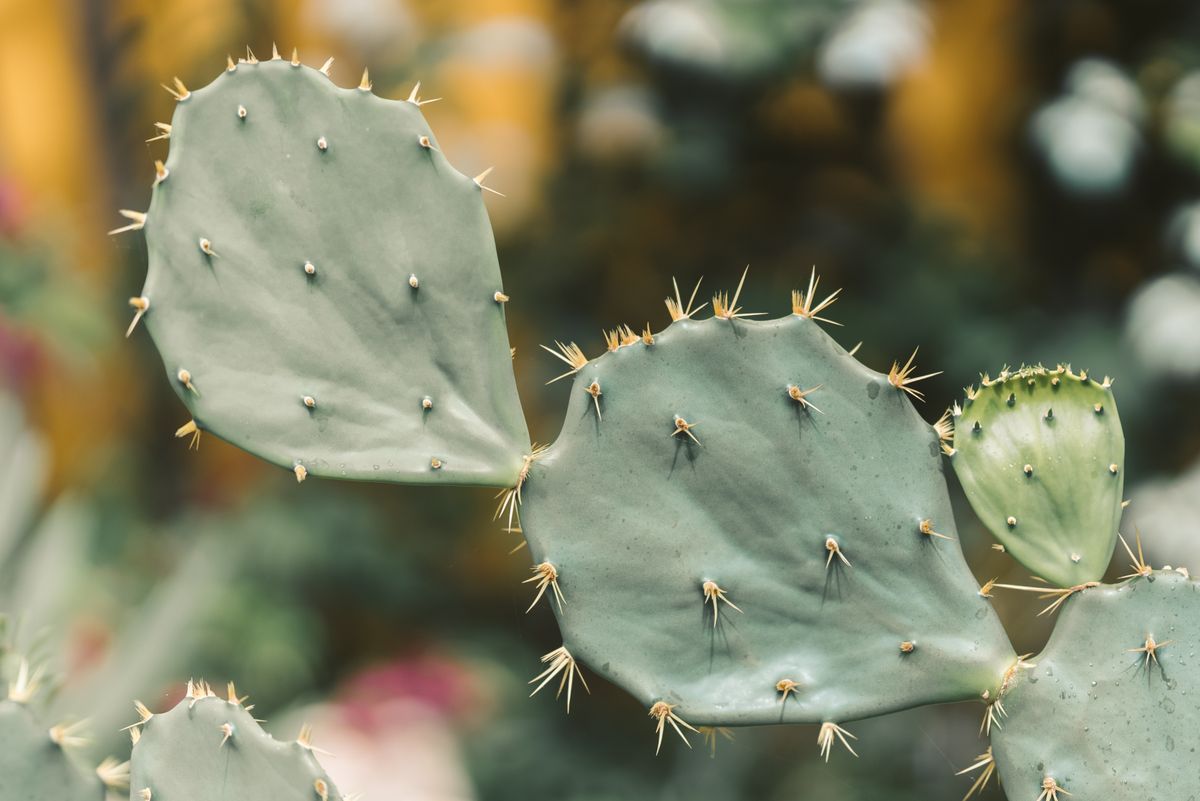
Yes, the paddles on a prickly pear cactus are dinner. In Mexico, nopales have been grilled, chopped, and tossed into salads for centuries, and once you taste them — tender, lemony-tart, a little like green beans crossed with okra — you will understand why.
After that, the paddles need nothing but oil, salt, and a hot grill. Four to five minutes a side takes them from stiff and bright green to supple and olive-toned, with charred edges that taste faintly smoky.
Grilled whole, they make a striking side for tacos and grilled meats. Chopped into strips — nopalitos — they fold into eggs, quesadillas, and the fresh salad option at the end of this recipe.
Why You’ll Love This Recipe
Nopales are genuinely good for you: very low in calories, high in fiber, and a traditional staple in blood-sugar-friendly cooking — a side dish that earns its place on plates built around balance, like the meals in our anti-inflammatory diet recipe collection.
The flavor is unlike any supermarket vegetable: bright, tangy, and green, mellowing on the grill into something between asparagus and a roasted pepper.
They are cheap and forgiving. A pound of paddles costs very little, and the only way to truly ruin them is to skip the cleaning step — which this recipe walks through slowly.
Ingredients
Choose paddles that are thin, firm, and bright green — thick, floppy, or yellowing paddles are old and tough:
- 4 large fresh nopal paddles (about 1 pound / 450 g total)
- 1 tablespoon olive oil
- ½ teaspoon coarse salt
- ¼ teaspoon black pepper
- ½ teaspoon garlic powder
For the nopal salad option:
- 1 medium tomato, diced
- ¼ white onion, finely diced
- 2 tablespoons chopped fresh cilantro
- Juice of 1 lime
- ¼ cup crumbled queso fresco
- Lime wedges, for serving
How to Make It
- Grip safely from the start: Hold each paddle by its thick base end using kitchen tongs, or wear a thick work glove. Never grab a paddle bare-handed — the visible spines are easy to avoid, but the glochids, tiny barbed hairs in the little bumps (areoles), are nearly invisible and irritating.
- Scrape off the spines: Lay the paddle on a board, still holding it with tongs. With a chef’s knife held almost flat, scrape from the base toward the tip, angling the blade away from the spines so they pop off instead of snapping in. Work over the whole surface, front and back.
- Trim the edges and base: Cut a thin strip (about ⅛ inch) off both long edges and slice off the thick, woody base end. Most glochids cluster along the edges, so this trim does half the cleaning for you.
- Check for strays: Run the flat of the knife over the paddle once more under good light. Any missed areole shows as a tiny dot — flick it off with the knife tip. Only now rinse the paddles under running water; rinsing before de-spining spreads loose glochids across the surface.
- Blanch (optional but useful): For salad-bound nopales, boil the cleaned paddles in salted water for 1 minute, then drain and rinse in cold water. This tames the slippery texture (the “baba”) some people dislike. For grilling whole paddles, you can skip it.
- Season: Pat the paddles completely dry — wet paddles steam instead of charring. Brush both sides with the olive oil, then sprinkle over the salt, pepper, and garlic powder.
- Grill: Heat a grill or grill pan to medium-high (about 425°F / 220°C). Lay the paddles down and cook 4 to 5 minutes per side, until they turn a deep olive green, soften, and pick up dark char marks. Do not press them down; just let the heat work.
- Rest and slice: Rest 2 minutes, then serve whole with lime wedges, or slice into ½-inch strips (nopalitos) for eggs, tacos, and the salad.
For the salad: dice 2 of the grilled (or blanched) paddles, toss with the tomato, onion, cilantro, and lime juice, season to taste, and shower with queso fresco.
Cooking Tips / Variations
The glochid rule worth remembering: if you do catch a few in your fingers, do not rub. Press a strip of strong tape over the spot and peel, or pick them out with tweezers under bright light. Prevention is easier — tongs every time, start to finish.
To cut the sliminess further without blanching, salt the cleaned raw paddles, rest them 20 minutes, then rinse and dry well. Salt draws out much of the gel before the paddles ever meet heat. Older Mexican cooks also swear by boiling nopales with a tomatillo husk in the water, which does noticeably reduce the slime.
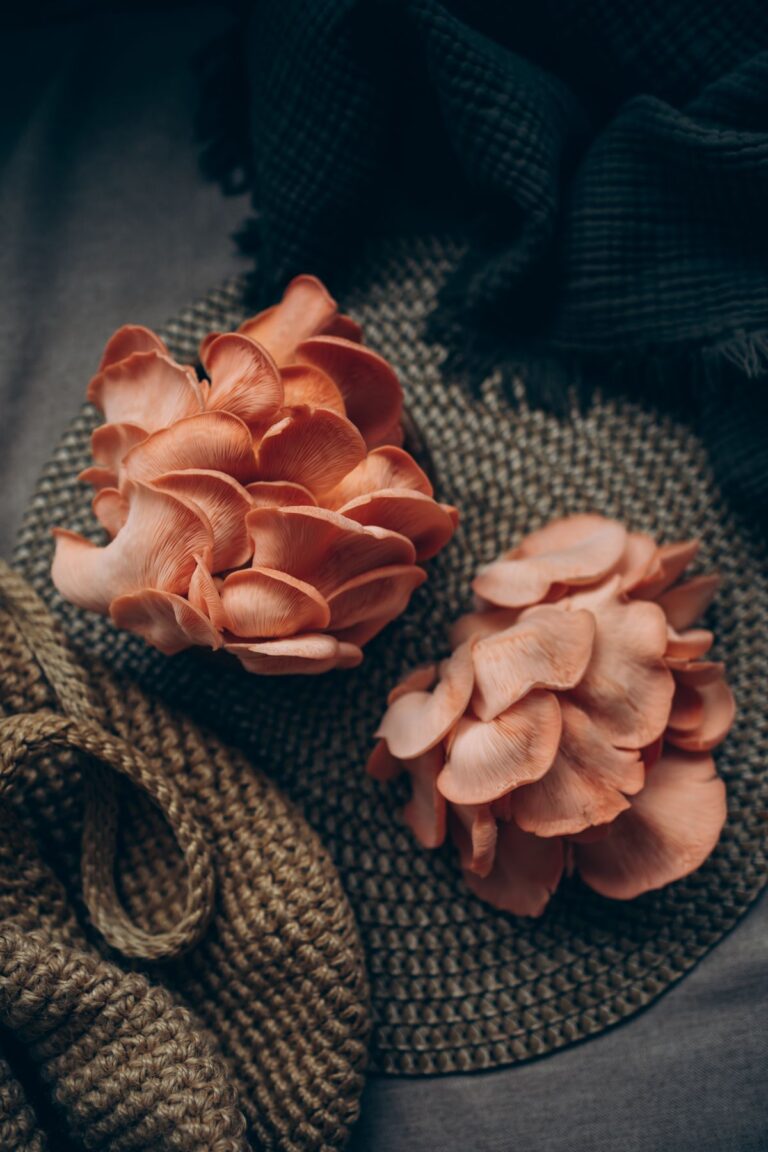
No grill? A dry cast-iron skillet or comal over high heat gives nearly the same result — cook them unoiled-side down first, flipping once, until blistered. Treat them the way you would any sturdy, unexpected vegetable: our pink oyster mushroom recipe uses the same high-heat, minimal-fuss approach.
Jarred or canned nopalitos (sold as “nopalitos” or “tender cactus”) are a fine shortcut for the salad and eggs — drain, rinse well to remove the brine, and skip straight to seasoning. They will not grill well, so keep them for chopped uses.
Serving or Storage Tips
Serve whole grilled paddles alongside carne asada, grilled chicken, or fish tacos — anywhere a squeeze of lime and something green and tangy belongs. They are also the traditional partner for dishes like our Taco Bell MexiMelt copycat when you want a fresh, homemade side next to a cheesy main.
Leftover grilled nopales keep in a sealed container in the refrigerator for up to 4 days. Chop and reheat them in a hot dry skillet for a minute; microwaving makes them slimy again.
Raw cleaned paddles also freeze well: blanch 1 minute, cool, pat dry, and freeze flat in bags for up to 3 months. Thaw and grill or chop as needed.
Conclusion
A cactus recipe sounds like a dare until you have done it once; then it is just a weeknight vegetable with an interesting first five minutes.
Master the cleaning — tongs, a flat-angled knife, trimmed edges, rinse last — and the grill handles the rest. Tangy, smoky, and genuinely different from everything else on the plate, nopales tend to convert skeptics at the first bite.
Start with the whole grilled paddles and lime. The salad, and then the eggs, will follow on their own.
Grilled Nopales (Cactus Paddles)
Ingredients
Method
- Holding each paddle with tongs, scrape off the spines and glochids with a knife held nearly flat, working from base to tip, on both sides.
- Trim ⅛ inch off both long edges and cut off the woody base. Check for stray areoles, then rinse.
- Optional: blanch in salted boiling water for 1 minute and rinse cold, for a less slippery texture.
- Pat dry, brush with olive oil, and season with salt, pepper and garlic powder.
- Grill over medium-high heat (425°F / 220°C) for 4–5 minutes per side, until deep olive green, tender and char-marked.
- Rest 2 minutes. Serve whole with lime, or slice into ½-inch strips.
- For the salad: dice 2 paddles and toss with tomato, onion, cilantro and lime juice; top with queso fresco.
Notes
Remove glochids from skin with strong tape or tweezers; never rub the spot.
Choose thin, firm, bright-green paddles; thick or yellowing ones are tough.
Jarred nopalitos work for the salad and eggs (drain and rinse), but not for grilling.
Leftovers keep 4 days refrigerated; reheat chopped in a dry hot skillet.
One Comment