
Yellowfin Tuna Recipe (Sesame-Crusted Seared Ahi)
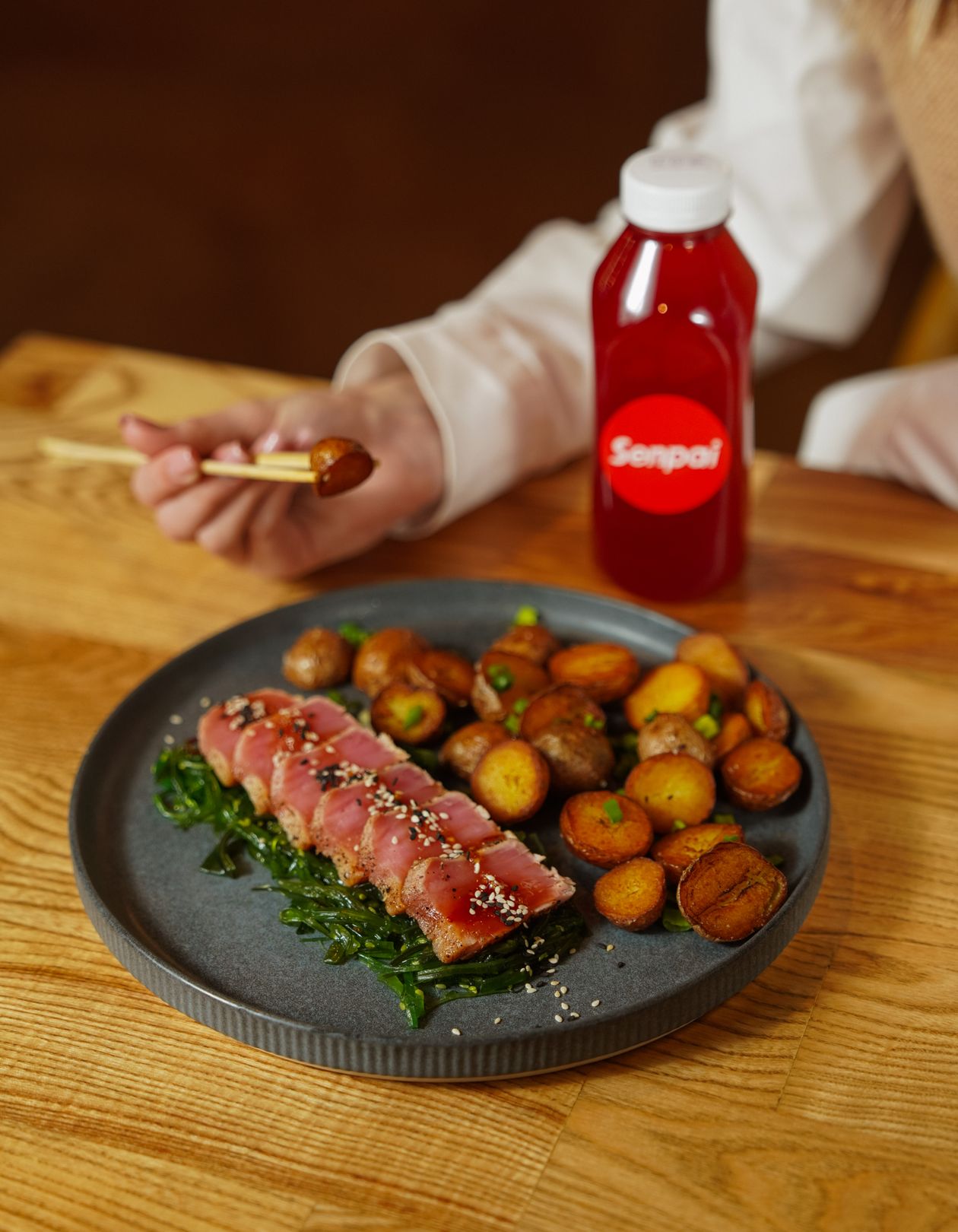
Seared ahi is the fastest impressive dinner there is. A thick yellowfin steak, a whisper of marinade, a crunchy sesame coat, and about one minute in a ripping-hot pan stand between you and the kind of plate restaurants charge thirty dollars for.
Yellowfin, sold as ahi in most fish markets, is the right tuna for this: firm, mild, and a deep ruby red that is meant to stay red. This recipe treats it the way sushi bars do, seared hard outside and cool and silky in the center, because cooking it through is how you turn a premium fish into expensive tuna salad.
The whole thing, marinade included, takes under half an hour, and most of that is waiting. Buy good fish, respect the clock, and this one never misses.
Why You’ll Love This Recipe
It is genuinely fast: fifteen minutes of marinating and roughly two minutes of cooking, so it lands on the table faster than takeout.
The sesame crust does three jobs: crunch against the silky center, nutty flavor that loves soy and ginger, and a protective coat that makes the sear forgiving. Even a first attempt looks like you meant it.
It is a light, protein-rich dinner that still feels like an occasion, which is a rare combination. It sits in the same feel-good territory as our anti-inflammatory salmon bowls, the other healthy fish dinner we put on repeat.
Ingredients
Ask for sushi-grade yellowfin if you plan to serve it rare, and keep the steaks thick; thin steaks cook through before they crust:
- 2 yellowfin (ahi) tuna steaks, about 1½ inches thick and 6 oz (170 g) each
- 2 tablespoons soy sauce
- 1 tablespoon sesame oil
- 1 tablespoon rice vinegar
- 1 teaspoon freshly grated ginger
- 1 teaspoon honey
- 2 tablespoons sesame seeds, a mix of white and black
- ½ teaspoon coarse salt
- ½ teaspoon cracked black pepper
- 1 teaspoon neutral high-heat oil (such as avocado or grapeseed), for the pan
For serving: steamed rice or salad greens, plus sliced green onions. You will also need a heavy cast iron skillet.
Jump to RecipeHow to Make It
- Marinate briefly: Whisk the soy sauce, sesame oil, rice vinegar, ginger, and honey in a shallow dish. Lay in the tuna steaks, turn to coat, and marinate for 15 minutes at room temperature, flipping once. Do not go past 30 minutes; the vinegar starts to cure and toughen the surface, ceviche-style.
- Dry and crust: Lift the steaks out and reserve the marinade. Pat the fish completely dry with paper towels; a wet surface steams instead of searing. Stir the sesame seeds, salt, and pepper on a plate and press every side of each steak into the mixture, edges included.
- Heat the pan properly: Set the cast iron over high heat until it just begins to smoke, 2 to 3 minutes. Add the oil and swirl; it should shimmer immediately. A merely warm pan is the one mistake that ruins seared tuna.
- Sear fast: Lay the steaks in and do not touch them for 45 to 60 seconds. Flip and sear the second side 45 to 60 seconds more. Hold each steak with tongs and sear the edges about 10 seconds each. The center should stay deep red through the crust.
- Rest and slice: Rest the steaks on a cutting board for 2 minutes. Meanwhile, boil the reserved marinade in the hot pan for 1 full minute, which makes it safe and reduces it to a glossy drizzle. Slice the tuna against the grain into ¼-inch slices with your sharpest knife, wiping the blade between cuts.
- Serve: Fan the slices over rice or greens and spoon the warm reduced marinade over the top. Serve right away; seared tuna waits for no one.
Cooking Tips / Variations
Doneness is a temperature, not a vibe. Rare, as written here, reads 110–115°F (43–46°C) in the center. Medium-rare tops out around 125°F (52°C), with a warm pink center. Past 130°F the fish turns gray, dry, and crumbly fast, and no sauce rescues it; that is why pan time is measured in seconds.
No cast iron? Any heavy, truly preheated skillet works; carbon steel is excellent. Avoid thin nonstick pans, which cannot hold the heat this sear needs and should not be heated empty anyway.
Thaw frozen tuna overnight in the fridge, still wrapped. Good frozen-at-sea ahi is often fresher than “fresh” fish that has traveled for days, so do not turn your nose up at it.
Variations: swap the sesame coat for cracked pepper and coriander for a steakhouse crust, brush slices with wasabi mayo (1 tablespoon mayo to ½ teaspoon wasabi paste), or serve over a crunchy slaw with the marinade as dressing.
Serving or Storage Tips
For two as a main, serve the steaks over rice with something green and sharp alongside, like cucumber salad or steamed edamame. As an appetizer, the same two steaks slice into enough for four, fanned on a platter with the drizzle and pickled ginger.
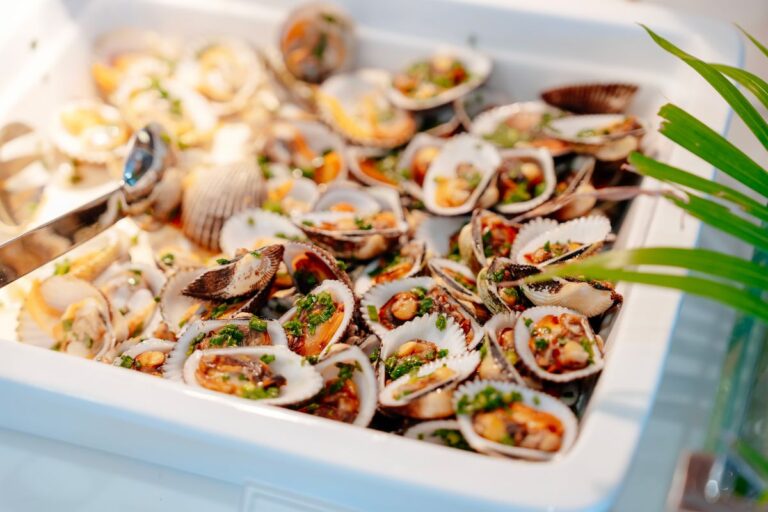
Building a seafood spread for guests? These slices alongside our baked clams make a starter course that looks like far more effort than it was.
Leftovers keep, covered, in the fridge for 1 to 2 days. Do not reheat them; reheating cooks the center and undoes everything. Cold slices are genuinely good over salad or in rice bowls.
Conclusion
Thick steaks, a dry surface, a smoking pan, and a timer you actually obey: seared yellowfin asks for very little and gives back a restaurant plate every single time.
Make it once at rare, taste how silky ahi is supposed to be, and you will understand why the fish counter charges what it charges. Worth every cent.
Sesame-Crusted Seared Yellowfin Tuna
Ingredients
Method
- Whisk soy sauce, sesame oil, rice vinegar, ginger and honey; marinate the steaks 15 minutes, flipping once. Reserve the marinade.
- Pat the steaks completely dry and press all sides into the sesame seeds, salt and pepper.
- Heat a cast iron skillet over high heat until just smoking; add the oil.
- Sear 45–60 seconds per side, plus 10 seconds on the edges, for rare.
- Rest 2 minutes. Boil the reserved marinade 1 minute in the hot pan to reduce it.
- Slice ¼-inch thick against the grain, fan over rice or greens, and drizzle with the warm marinade.
One Comment