Pie Crust Recipe (Flaky, Buttery & Easy)
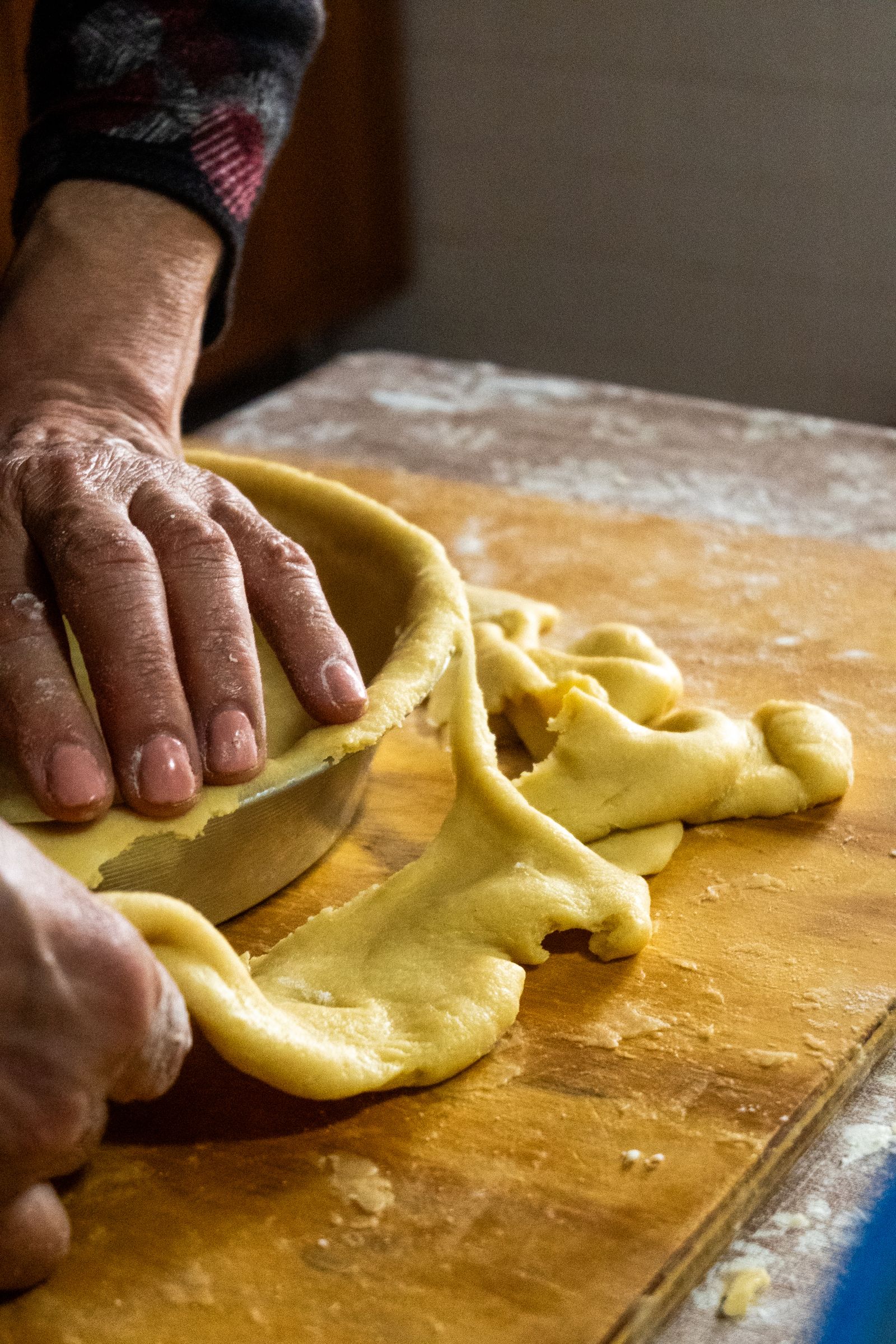
There is a moment in every pie recipe when the crust decides everything. A good crust is flaky, buttery and sturdy enough to hold its filling, and this recipe gets you there with one bowl and about fifteen minutes of hands-on work.
I used to buy the refrigerated rolls and tell myself it was close enough. It was not. The first time I made this all-butter crust, the dough smelled like butter, rolled out without a fight, and baked up in crisp, flaky layers.
The secret is cold fat and a light hand. Cut cold butter into the flour until the pieces are pea-size, add just enough ice water to bring it together, and stop. That is the whole trick. Overworking is the only real way to ruin it.
This recipe makes two crusts, enough for one double-crust pie or two single-crust pies. It works for sweet and savory pies alike, rolls out cleanly, and freezes beautifully.
Why You’ll Love This Recipe
The flavor is the first thing you will notice. All butter means real butter flavor in every bite, the kind that makes a plain slice of apple pie taste like a bakery pie.
The texture is the second. Cold butter creates little pockets in the dough, and in a hot oven the water in the butter turns to steam and lifts the dough into flakes. That is what flaky actually means.
It is also genuinely forgiving. The dough patches easily, so a tear is a thirty-second fix, not a fresh start. And if simple old-fashioned baking is your thing, our best tea cake recipe uses the same butter, sugar and flour pantry and bakes up soft and golden.
Ingredients
You need only a handful of ingredients, and their temperature matters more than the brand:
- 2 1/2 cups (315 g) all-purpose flour
- 1 tablespoon granulated sugar (leave it out for savory pies)
- 1 teaspoon fine salt
- 1 cup (2 sticks / 226 g) cold unsalted butter, cut into small cubes
- 1/4 cup cold vegetable shortening, cut into small pieces (optional, for extra tenderness)
- 6 to 8 tablespoons ice water
- 1 teaspoon apple cider vinegar (optional, helps keep the dough tender)
How to Make It
- Whisk the dry ingredients: In a large bowl, whisk the flour, sugar and salt until evenly combined.
- Cut in the butter: Add the cold butter cubes and shortening, if using. Cut them in with a pastry cutter or two forks until the mixture looks like coarse crumbs with pea-size pieces of butter still visible. Those pieces make the flakes.
- Add the water: Sprinkle 6 tablespoons of ice water and the vinegar over the mixture. Stir gently with a fork until the dough starts to clump. Add more water a tablespoon at a time only if the dry bits will not come together.
- Form the discs: Turn the dough onto a lightly floured surface and gather it into a ball with your hands. Do not knead it. Divide it in half and flatten each half into a disc.
- Chill the dough: Wrap each disc tightly in plastic wrap and chill for at least 1 hour, or up to 3 days. Cold dough rolls out cleanly and holds its shape.
- Roll out the first disc: On a floured surface, roll one disc from the center outward into a 12-inch circle, about 1/8 inch thick, turning it a quarter turn after every few rolls so it does not stick.
- Fit it into the dish: Roll the dough loosely around the rolling pin and unroll it over a 9-inch pie dish. Ease it into the corners without stretching, trim the overhang to about an inch past the rim, fold the edge under and crimp it.
- Chill again, then use or blind bake: Chill the fitted crust for 20 minutes. For a double-crust pie, roll out the second disc over the filling. For a single-crust pie, fill it right away or blind bake it: line with parchment, add pie weights or dried beans, and bake at 375°F for 20 minutes, then 10 more without the weights.
Cooking Tips / Variations
Keep everything cold. Cold butter, cold water and even a cold bowl on a hot day all help the crust stay flaky. If your kitchen is warm, chill the flour first, and chill the dough again if it softens while you roll.
Do not overwork the dough. Once the water goes in, mix just until it holds together. Kneading develops gluten, and gluten makes a tough crust instead of a tender one.
The vinegar is optional, but I recommend it. A teaspoon of acid relaxes the gluten, so the dough rolls easier and the crust is more tender. You will not taste it.
If the dough tears while you fit it into the dish, press a scrap over the tear and smooth it with a floured fingertip. It bakes invisible.
Serving or Storage Tips
Use the crust the same day you make it, or store the wrapped discs in the fridge for up to 3 days. Let a chilled disc sit out for 10 minutes before rolling so it does not crack.
For longer storage, wrap the discs tightly in plastic wrap, then foil, and freeze for up to 3 months. Thaw overnight in the fridge before rolling.
For another bake with that same warm, buttery smell, our snickerdoodle banana bread recipe is a soft, cinnamon-sugared loaf that disappears fast.
Conclusion
A great pie starts with a great crust, and this is the recipe I reach for every single time. Flaky, buttery, forgiving, and made from ingredients you already have.
Make a batch this weekend, tuck the extra disc in the freezer, and know your next pie is already halfway done.
Pie Crust (Flaky All-Butter)
Ingredients
Method
- Whisk the flour, sugar and salt together in a large bowl.
- Cut in the cold butter and shortening until the mixture looks like coarse crumbs with pea-size pieces of butter.
- Sprinkle over 6 tablespoons of ice water and the vinegar; stir with a fork until the dough starts to clump, adding more water a tablespoon at a time if needed.
- Turn the dough out, gather it into a ball without kneading, divide in half and flatten each half into a disc.
- Wrap both discs tightly and chill for at least 1 hour.
- Roll one disc into a 12-inch circle, about 1/8 inch thick, turning it as you roll so it does not stick.
- Ease the dough into a 9-inch pie dish without stretching, trim the overhang to about an inch, fold the edge under and crimp.
- Chill the fitted crust for 20 minutes, then fill right away, top with the second crust for a double-crust pie, or blind bake at 375°F for 20 minutes with weights and 10 minutes without.