
Pesto Recipe (Fresh Basil, 5 Ingredients, 10 Minutes)
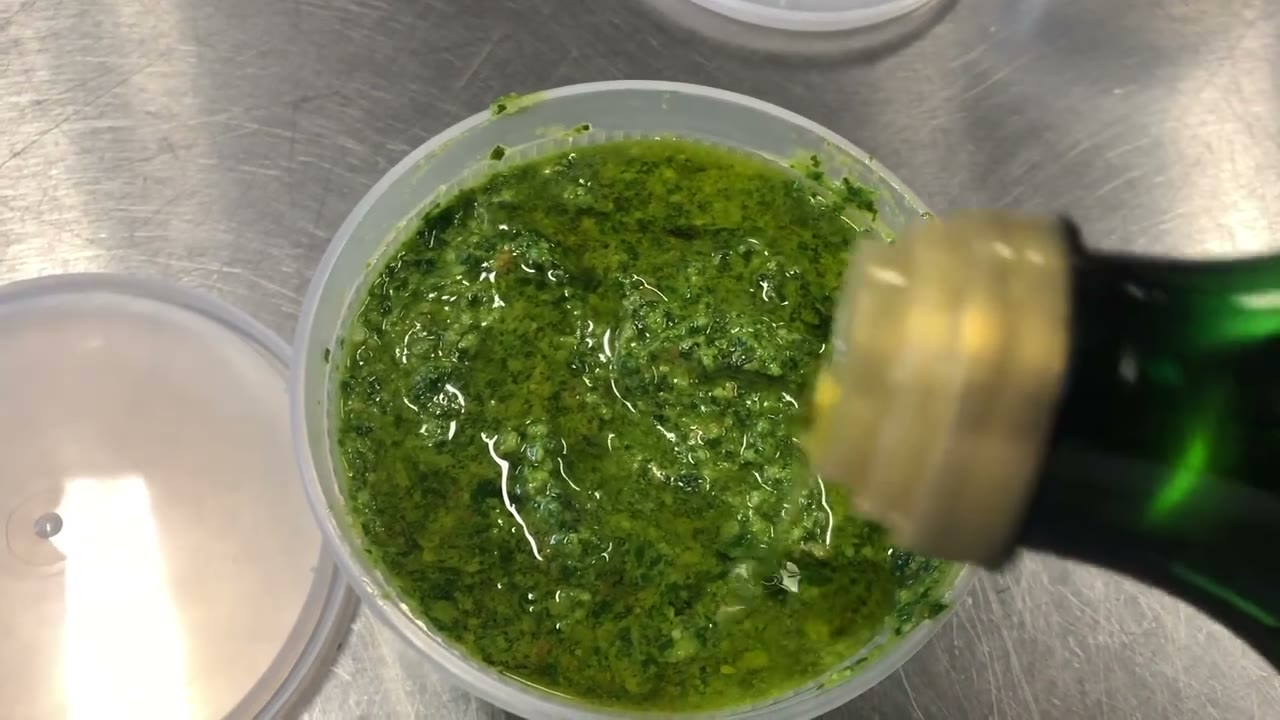
Store-bought pesto is convenient, but it never tastes like this. Real pesto is bright green, fragrant with basil, nutty from toasted pine nuts, and just sharp enough from raw garlic and parmesan. Ten minutes, five ingredients, and the food processor does all the work.
The one trick is blanching the basil: five seconds in boiling water, then straight into ice water, sets the green colour so your pesto stays vivid instead of turning dark. If you like homemade sauces, our best alfredo recipe is the creamy counterpart to this fresh, green one.
Prep 10 min · Cook 5 min · Total 15 min · Makes about 1 1/2 cups — Bright, garlicky basil pesto.
Why This Pesto Stays Bright Green
The secret is the blanch. Basil turns brown when its enzymes meet air, and a five-second dip in boiling water switches those enzymes off. The ice bath stops the cooking instantly, so the leaves stay green and fresh-tasting.
The second secret is the order. Garlic, pine nuts and parmesan go in first and get pulsed to a crumb, then the basil joins them, and the oil is drizzled in last while the machine runs — that keeps the sauce textured, with flecks of nut and cheese in every spoonful. The third is toasting the pine nuts: six minutes in a 300°F oven brings out a warm, buttery flavour. Watch them: they go from golden to burnt in under a minute.
What You Need for Pesto
- 2 cups fresh basil leaves, firmly packed
- 1/2 cup pine nuts
- 1/2 cup parmesan cheese, freshly grated
- 1 garlic clove
- 1/2 cup extra virgin olive oil
- Salt and freshly ground black pepper, to taste
- Optional: 1 to 2 tsp fresh lemon juice
How to Make Pesto
- Blanch the basil: Bring a small pot of water to a boil. Drop the basil in for 5 seconds, then lift it into ice-cold water. Drain and squeeze out as much water as you can.
- Toast the pine nuts: Preheat the oven to 300°F. Spread the pine nuts on a parchment-lined sheet and toast about 6 minutes, until light golden. Cool completely.
- Load the processor: Crush the garlic and put it in a food processor with the blanched basil, toasted pine nuts and parmesan.
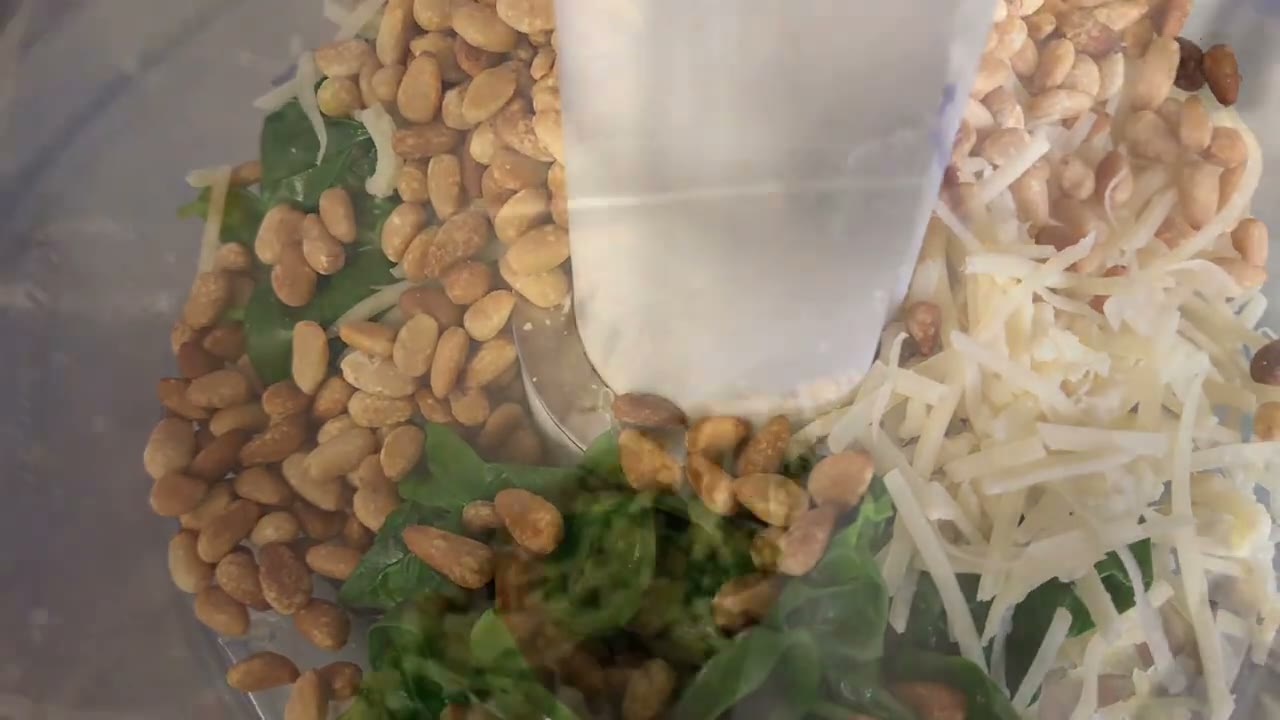
- Pulse: Pulse about 4 times, until everything is finely chopped but not yet a paste. Scrape the sides down once.
- Drizzle the oil: With the processor running, drizzle in the olive oil in a slow, steady stream until the pesto comes together — thick, spoonable, and flecked with green.
- Season and store: Taste and season with salt and pepper, adding lemon juice if you like a brighter edge. Spoon into a jar, press a thin layer of olive oil over the top, and seal.
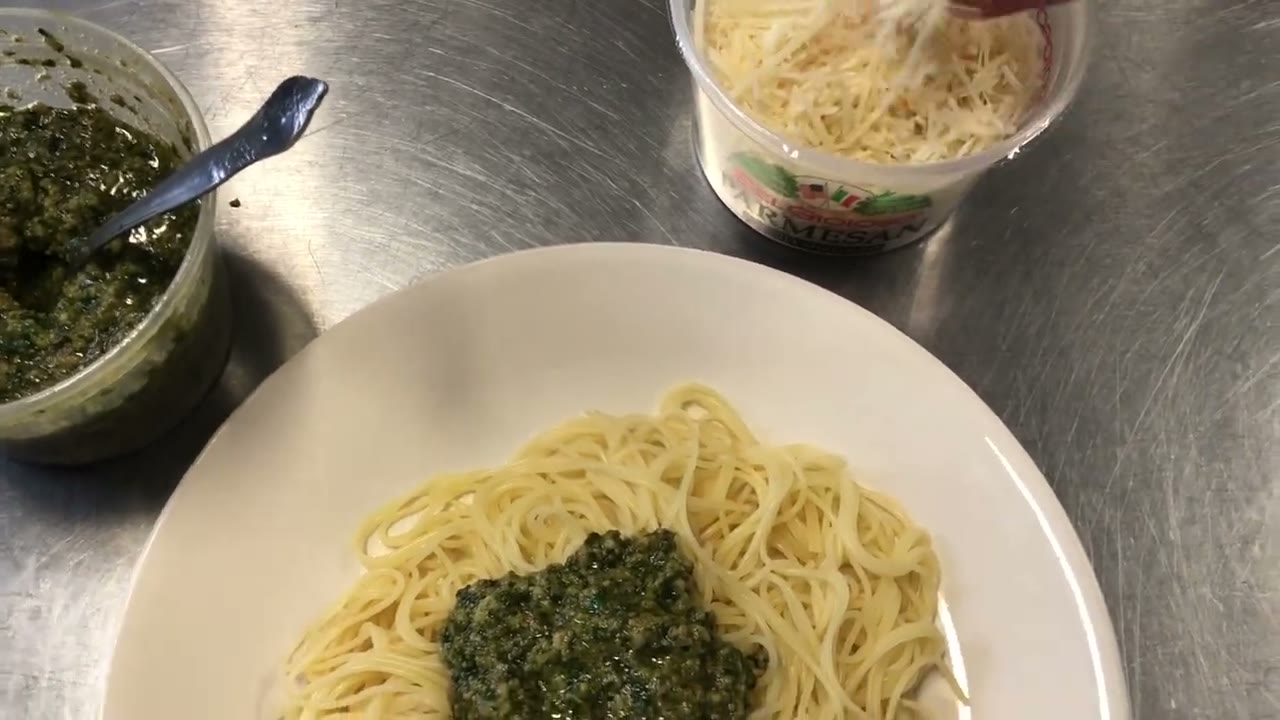
Watch it being made here:
Mistakes That Keep Pesto From Being Great
Skipping the blanch. Unblanched basil darkens within hours. Five seconds in boiling water keeps it bright green for days.
Over-blending. Pesto should have texture. Run the processor too long and it turns into a smooth green paste. Pulse, then drizzle, then stop.
Burning the pine nuts. They toast fast and burn faster. Set a timer, check at 5 minutes, and pull them the moment they turn light golden.
Using pre-grated parmesan. The powdery kind from a tub tastes flat and makes the sauce gritty. Freshly grated parmesan melts in and carries the salty, nutty flavour.
Easy Swaps and Variations
Walnuts are the classic budget swap for pine nuts; almonds work too, for a milder, creamier pesto. For a dairy-free version, leave the parmesan out and add an extra handful of nuts plus a pinch of nutritional yeast. A handful of baby spinach blended in with the basil stretches the pesto and keeps the colour bright. For a spicier version, add a pinch of red pepper flakes with the garlic.
Storing, Making Ahead and Reheating
Pesto keeps a week in the fridge in a sealed jar. Press a thin layer of olive oil over the surface before sealing: it blocks the air and stops the top from darkening. It freezes for up to 3 months — freeze it in ice cube trays, then pop the cubes into a bag; one cube suits a single serving of pasta. Thaw in the fridge or drop a frozen cube straight into hot pasta. Never heat pesto in a pan: the cheese seizes and the basil turns dull.
What to Serve With Pesto
Toss it with hot pasta and a splash of pasta water — it loosens the sauce so it coats every strand. It is just as good spread on toasted bread, spooned over grilled chicken, or swirled into soup. For a second pasta night, our chicken alfredo recipe is the creamy alternative to this fresh green sauce.
Your Pesto Questions, Answered
Why did my pesto turn brown? The basil oxidised — blanch the leaves for 5 seconds, and press oil over the surface in storage.
Can I make pesto without pine nuts? Yes — walnuts are the closest swap, almonds are milder, and sunflower seeds work for a nut-free version. Toast them the same way.
Do I have to blanch the basil? No, but it is worth the 5 seconds. Unblanched pesto tastes the same on day one, but it darkens much faster.
How much pasta does this pesto serve? About 1 1/2 cups, which sauces roughly 1 pound of pasta — about 4 servings — with some left over for spreading.
Make a double batch while the basil is fresh — one jar for tonight’s pasta, one in the freezer for a night you do not feel like cooking.
Pesto Recipe (Fresh Basil, 5 Ingredients, 10 Minutes)
Ingredients
Method
- Bring a small pot of water to a boil. Drop the basil leaves in for 5 seconds, then lift them out with a slotted spoon and plunge them straight into ice-cold water. Drain through a strainer and squeeze out as much water as you can.
- Preheat the oven to 300°F. Spread the pine nuts on a baking sheet lined with parchment paper and toast for about 6 minutes, until light golden brown. Cool completely.
- Crush the garlic with the back of a knife or a garlic press and put it in a food processor or blender, along with the blanched basil, toasted pine nuts and parmesan cheese.
- Pulse about 4 times, until everything is finely chopped but not yet a paste. Scrape the sides down once.
- With the processor running, drizzle in all the olive oil in a slow, steady stream until the pesto comes together.
- Taste and season with salt and pepper. Stir in the lemon juice if you like a brighter edge. Spoon into a jar, press a thin layer of olive oil over the top, and seal.

One Comment